
 WUSL-SSO
- Lecturer: Prof. Dileepa de Croos
- Lecturer: Demonstrator Sithara
- Enrolled students: 36
- Lecturer: Demonstrator Dilshara
- Lecturer: Dr. RGS Wijesekera
- Enrolled students: 38
- Lecturer: Dr. (Ms.) AGSS Darshani
- Lecturer: Dr. RGS Wijesekera
- Lecturer: Demonstrator Viduranga
- Enrolled students: 36
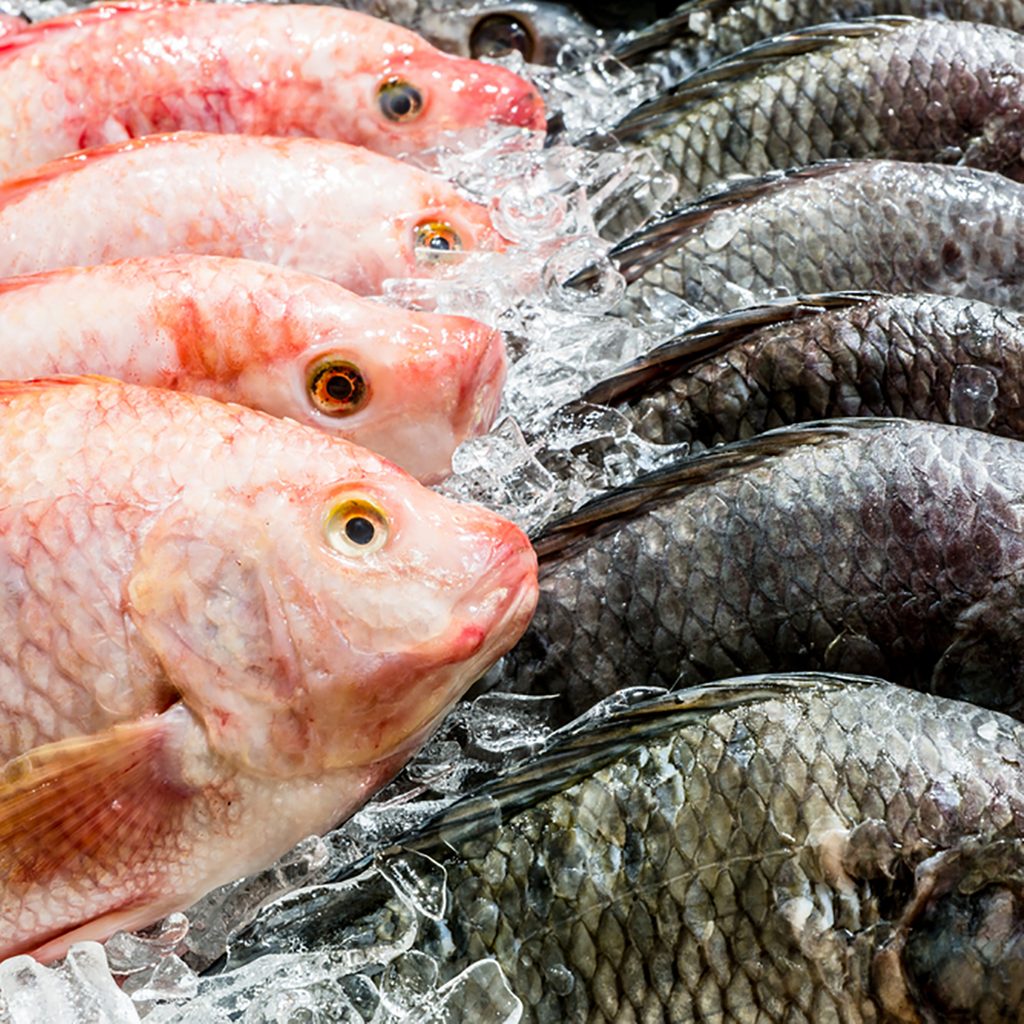
Aquaculture and fisheries play an important role in most developing countries including Sri Lanka, by providing the key source of animal protein and a source of direct and indirect employment opportunities to rural communities. Fish and fish products currently constitute the most traded food products globally (Food and Agriculture Organization (FAO), 2018). Significant improvements in fish trade for both local and international markets largely depend on the quality of fish post-harvest activities in the fisheries sector. Globally, fish losses are estimated to be ten to twelve million tons per year, accounting for around ten percent (10%) of the total production from capture fisheries and aquaculture (Ward and Signa, 2017). Therefore, good post-harvest practices which include harvesting, handling, storage and marketing are critical for reducing post-harvest losses, maintain quality, economic return, and sustainability of the industry. Improvement of these practices by using appropriate technologies is important for extended shelf life and better quality of harvested produce.
· FAO. The state of world fisheries and aquaculture 2018: contributing to food security and nutrition for all, Rome, 2018.
- Lecturer: Dr. Suchima Gonapinuwala.
- Lecturer: Demonstrator Lakshani Gayanika
- Enrolled students: 36
- Lecturer: Dr. (Ms.) AGSS Darshani
- Lecturer: Demonstrator Dilshara
- Lecturer: Dr Gayashani Sandamalika
- Enrolled students: 36